SQL Day 2025
by Mikuláš Mráz on 29/05/2025Last week, we had the incredible opportunity to sponsor SQL Day 2025 in Wrocław, Poland - one of the biggest data community conferences in Central Europe.
Read moreWhen investigating performance degradation in SQL Server, we often look at missing indexes, outdated statistics, or bloated execution plans. However, sometimes the root cause lives entirely outside the database engine, deep within the application configuration.
In a recent performance optimization case, we encountered a classic hidden performance bottleneck: the default behavior of Java database drivers when handling string parameters.
The Problem: Implicit Conversions and Table Scans
The client experienced severe CPU spikes and sluggish query performance. The underlying culprit turned out to be the default setting of the JDBC driver parameter sendStringParametersAsUnicode = true.
The Solution and Verification
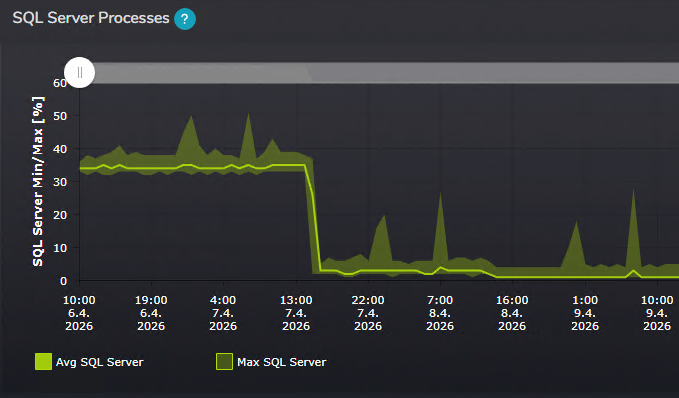
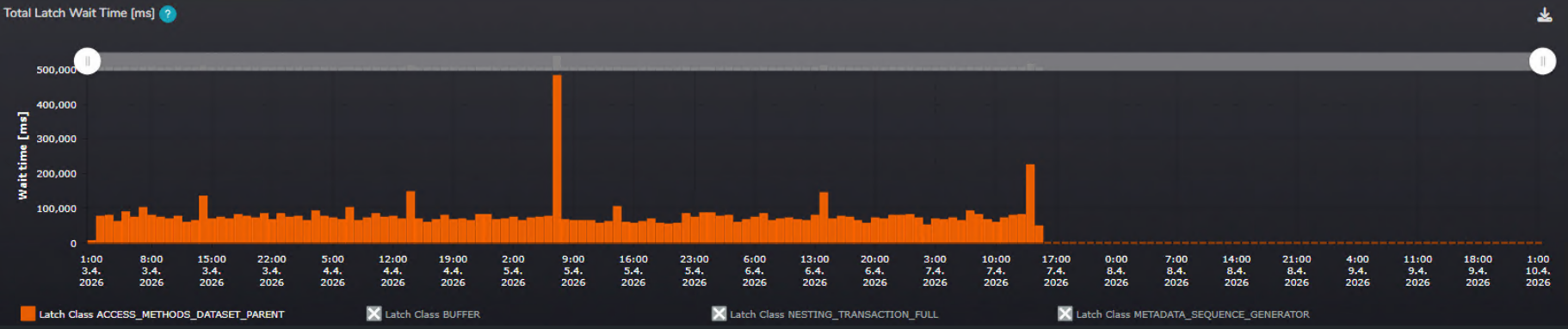
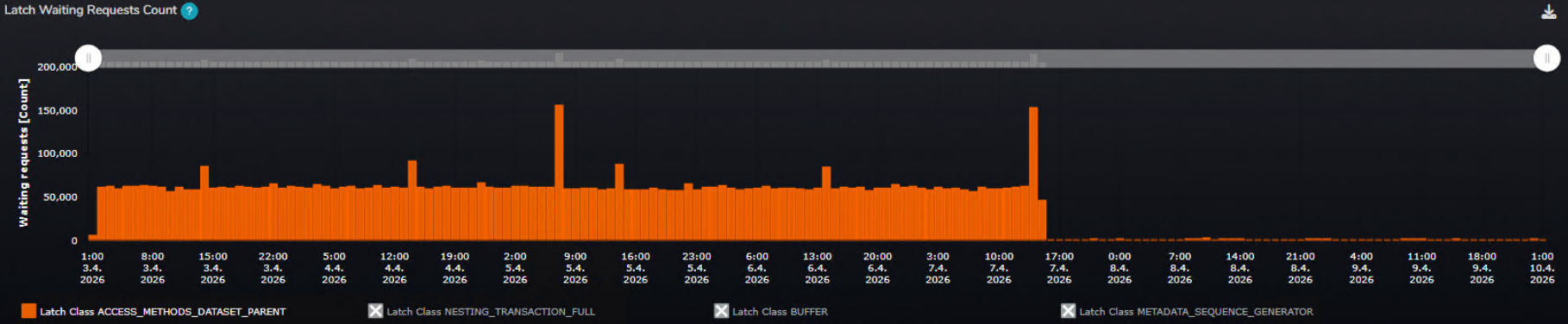
As soon as the client reconfigured the application to set sendStringParametersAsUnicode = false, the performance metrics shifted dramatically. Using our SMT monitoring tool, we verified the recovery across multiple vectors:
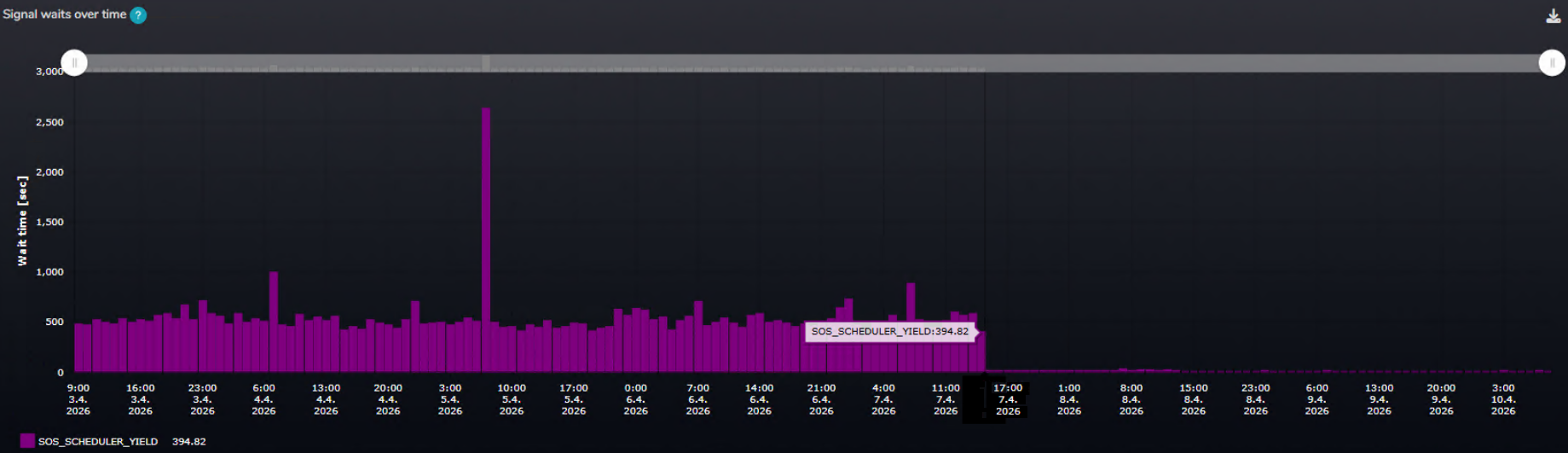
A/B Testing Results
To quantify the fix, we utilized the A/B testing comparison features in SMT, comparing the historical intervals before and after the hotfix:
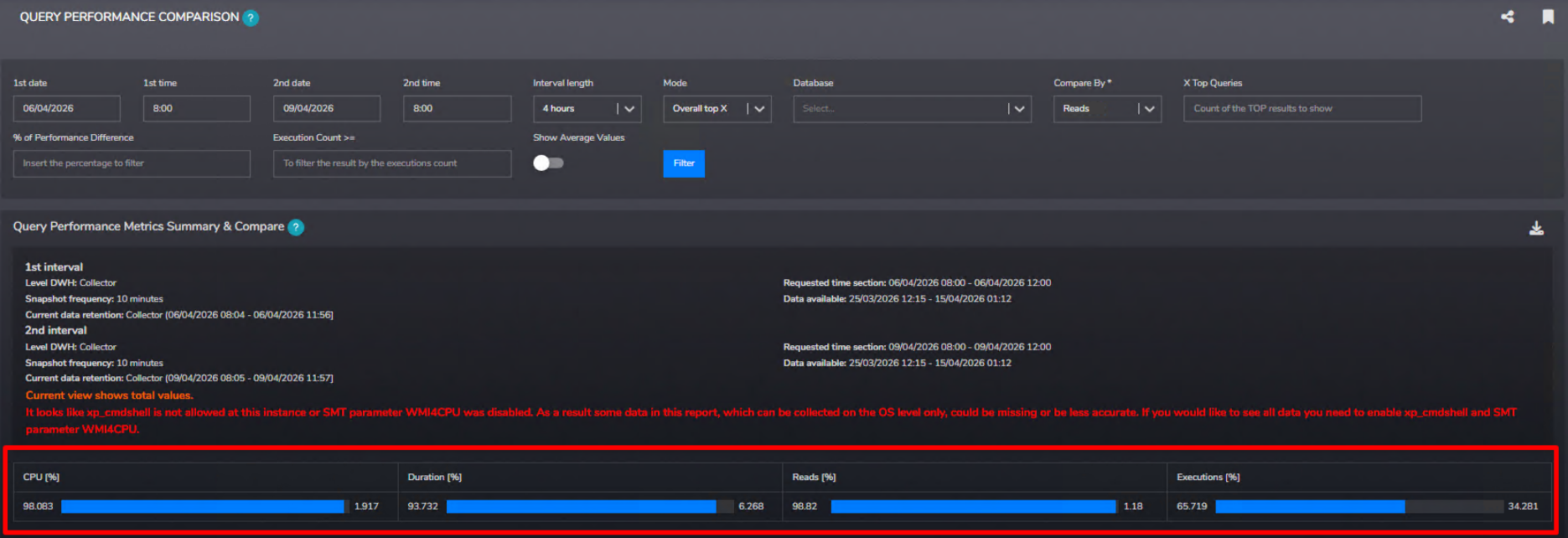
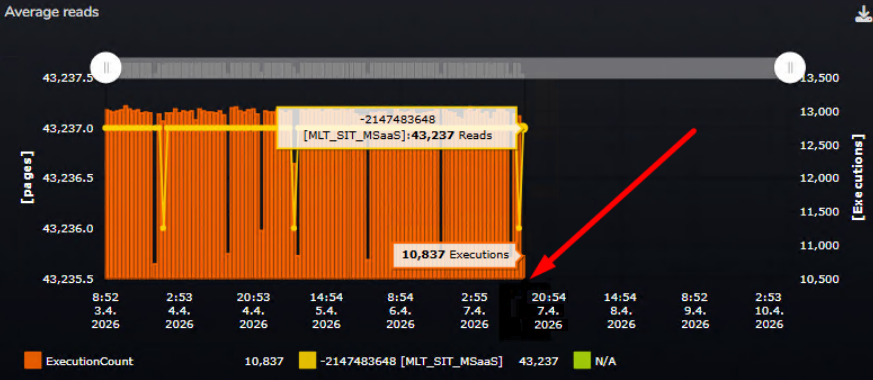
Key Takeaway: Never overlook application-tier connection string defaults or treat them as mere boilerplate. A simple configuration change can mean the difference between full index utilization and crippling implicit conversions. When your application and database speak different data-type languages, your hardware pays the price. Taking the time to audit these underlying driver settings is often one of the highest-impact investments you can make for your database's long-term health and performance.
Michal is a technically proficient SQL Server Specialist with a proven track record in resolving incidents and implementing changes within large-scale database infrastructures, ensuring maximum availability of services. Concurrently, as a Digital Content and Marketing Specialist, his priority is building strong online brand identities through strategic communication and creative storytelling. He consistently seeks new ways to enhance digital interaction, believing quality digital communication is key to success in today's connected world.
Last week, we had the incredible opportunity to sponsor SQL Day 2025 in Wrocław, Poland - one of the biggest data community conferences in Central Europe.
Read moreRecently I had some issues with SQL server 2008 R2 service pack 1 installation. From first perspective it looks like an issue with corrupted installation package, but true issue was somewhere else. It was a windows installer.
Read moreIn the world of database administration, index maintenance is a necessary evil. Done right, it keeps your queries snappy; done wrong, it becomes a resource-hungry monster that eats your maintenance window alive.
Read more